Colorado Sun Is Winning the War Against Your Paint Job
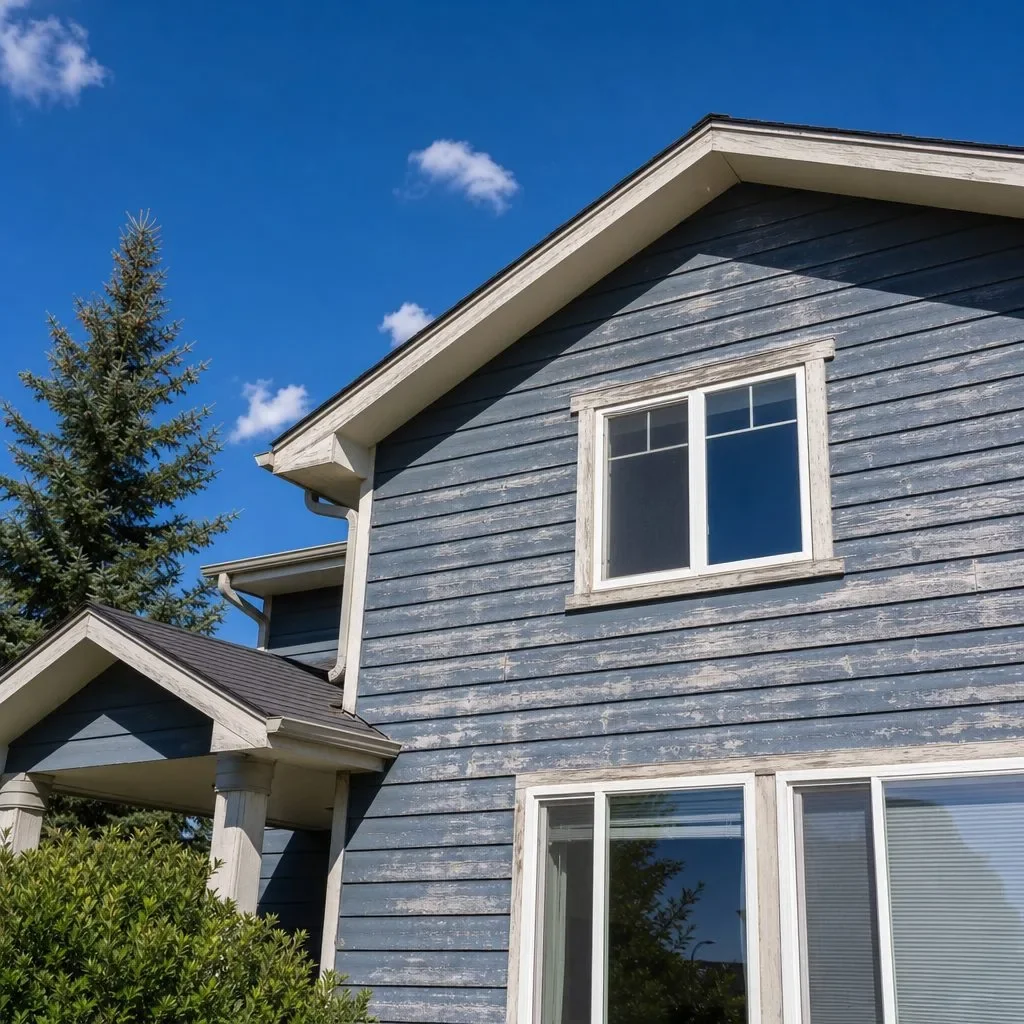
If your home's exterior paint looks washed out, chalky, or just plain tired — you're not imagining it. Fort Collins and the surrounding Northern Colorado area sit at an elevation where UV radiation runs 10–15% higher than at sea level. Add 300+ days of sunshine per year, dramatic temperature swings, and the occasional hailstorm, and you've got one of the harshest environments for exterior paint in the country.
Understanding why exterior paint fades is the first step toward doing something about it.
The Real Reasons Exterior Paint
Fades
1. UV Radiation Breaks Down Pigment
This is the biggest culprit — and the most underestimated. UV rays don't just fade color; they chemically degrade the pigment molecules in paint, causing them to break apart and lose intensity. At Northern Colorado's elevation, that process happens faster than most paint manufacturers account for when listing product lifespans.
Dark and saturated colors absorb more UV energy and tend to fade more visibly. But no color is immune.
2. Heat Cycling Cracks the Film
Fort Collins regularly swings 40–50°F between morning lows and afternoon highs, especially in spring and fall. Every time your siding heats up and cools down, the paint film expands and contracts. Over time, this leads to micro-cracking — and once the film is compromised, moisture gets in and the degradation accelerates.
This is the same reason our region sees 28+ freeze-thaw cycles per year wreck paint jobs that would last a decade in milder climates. If a contractor didn't account for Colorado's thermal stress when selecting products, you're going to see it early.
3. Cheap Pigments and Thin Film Builds
Budget paint relies on lower-quality pigments — often titanium dioxide extenders or organic pigments that simply aren't stable under heavy UV exposure. They look fine in the can and even fine after application. But 18 months in, the difference shows.
Film thickness matters too. A single coat or a heavily thinned application doesn't give the pigment enough depth to resist UV burn. Professional-grade exterior painting work always accounts for proper mil thickness per coat.
4. Surface Prep Was Skipped
Fading is sometimes actually peeling, and peeling almost always traces back to poor surface prep. Paint applied over chalky, dirty, or incompletely primed surfaces doesn't bond properly. Once adhesion fails, the film lifts — and what looks like fading is actually delamination.
How to Slow Exterior Paint Fading in Fort
Collins
Choose Paint Engineered for Colorado Conditions
Not all exterior paints are equal. Look for products with UV-stable inorganic pigments, higher resin content, and formulations rated for temperature extremes. Sherwin-Williams Duration, Benjamin Moore Aura Exterior, and similar premium lines are built with better pigment packages and thicker film builds than budget alternatives.
At Keystone Painting, every product recommendation is based on Northern Colorado's specific climate demands — not just what's popular nationally.
Go Lighter on South and West-Facing Walls
South and west elevations take the hardest direct sun hit throughout the day. If you have flexibility in your color selection, lighter shades on those faces will visually hold up longer. It's a small design consideration that pays off in years of extended life.
Prioritize Surface Prep Before Repainting
Before any new coat goes on, the surface needs to be clean, sound, and properly primed. That means pressure washing, scraping loose paint, sanding edges, and spot-priming bare wood or problem areas. Skipping this step is the fastest way to waste money on premium paint.
Time Your Repaint Right — Before It Gets Bad
The best time to repaint is before the paint system fully fails. Once paint is chalking heavily or the film has cracked down to bare substrate, you're dealing with a restoration project — not just a repaint. Catching it at the first signs of fading and surface wear keeps costs down and protects the underlying material.
If your home is in Fort Collins or the surrounding area and you're seeing early fade, it's worth getting eyes on it sooner rather than later.
The Bottom Line
Exterior paint fading in Colorado isn't a sign you did something wrong — it's a sign the environment won. But with the right products, proper prep, and a paint system built for this region, you can get 7–10 years out of a quality exterior repaint instead of 4–5.
If you're ready to stop fighting a losing battle with a cheap paint job, get a free on-site quote and we'll tell you exactly what your home needs — no pressure, no guesswork.